Why You Feel Stuck But Not Sad

There is a confusing kind of struggle that many people experience but rarely know how to describe.
You are not deeply sad.
You are not in visible crisis.
You are not falling apart.
Yet you feel unable to move forward.
You keep thinking about changes you want to make.
But you don’t act.
You want more energy.
But motivation stays low.
You want momentum.
But everything feels strangely paused.
And because sadness is absent, the experience becomes harder to understand.
You ask yourself:
“If I’m not depressed… why do I feel so stuck?”
The answer is often deeper than mood.
Feeling stuck without sadness is frequently connected to languishing, nervous system fatigue, reduced agency, or quiet disconnection from meaning.
Stuckness Is Not Always Depression
Many people assume emotional struggle must include sadness.
If sadness is not present, they conclude nothing serious is happening.
But emotional life is more complex than that.
You can feel:
- Flat without being sad
- Drained without being hopeless
- Disconnected without being depressed
- Stuck without being broken
Sadness is one emotional state.
Stagnation is another.
And stagnation often feels like life has stopped moving internally, even while routines continue externally.
The Difference Between Sad and Stuck
Sadness usually has emotional weight.
You feel pain, grief, loss, or heaviness.
Stuckness often feels different.
It feels like:
- Delay
- Friction
- Indecision
- Low internal momentum
- Repetition without progress
Sadness hurts.
Stuckness frustrates.
That frustration can become self-judgment if misunderstood.
Why Modern Life Creates Stuckness
Many people today are not overwhelmed by one dramatic problem.
They are worn down by many subtle pressures.
Examples include:
- Constant digital distraction
- Chronic busyness
- Too many options
- Long-term uncertainty
- Routine without meaning
- High responsibility
- Low mental recovery
These conditions often reduce initiative.
You still function.
But the energy required to create change becomes harder to access.
That feels like stuckness.
Nervous System Fatigue
When stress lasts too long, the nervous system shifts into conservation mode.
Conservation mode says:
- Avoid unnecessary risk
- Use less energy
- Maintain what is already working
- Don’t overextend
This can be helpful during difficult seasons.
But afterward, it may continue longer than needed.
When the system remains guarded, starting new things feels unusually hard.
Not because you are lazy.
Because your internal system is conserving.
The Loss of Agency
One of the biggest causes of feeling stuck is weakened agency.
Agency is the feeling that your actions meaningfully shape your life.
When life becomes mostly reactive, agency declines.
You may spend your days:
- Responding to messages
- Solving urgent problems
- Handling obligations
- Meeting expectations
Without enough time spent:
- Choosing direction
- Initiating meaningful goals
- Acting from personal values
When agency weakens, movement weakens.
You stay busy.
But feel stuck.
Meaning Depletion
People can tolerate effort when effort feels meaningful.
But when routines become disconnected from purpose, motivation naturally drops.
You may still do what is necessary.
But the inner reward fades.
Without meaning, even small steps can feel strangely heavy.
This often creates confusion.
Because externally, nothing appears wrong.
Internally, the fuel source changed.
Why You Keep Thinking But Not Moving
Stuckness often creates overthinking.
You may constantly think about:
- What you should change
- Where you should start
- What decision is right
- Why you can’t seem to move
Thinking feels productive.
But thinking without action often deepens paralysis.
Why?
Because the mind mistakes planning for progress.
Meanwhile, the nervous system remains cautious.
The Shame Spiral
Many people interpret stuckness as a character flaw.
They tell themselves:
“I’m lazy.”
“I’ve lost discipline.”
“What’s wrong with me?”
But shame drains energy further.
It does not create momentum.
Shame turns a solvable state into an identity wound.
You are not your current season.
You are a person in a state that can change.
Why Rest Alone May Not Solve It
Sometimes people take time off and expect movement to return automatically.
But stuckness is not always exhaustion alone.
It may involve:
- Lack of direction
- Fear of uncertainty
- Reduced confidence
- Emotional disconnection
- Too little meaningful challenge
Rest helps.
But movement often returns when agency returns.
How Momentum Begins Again
Momentum rarely returns through dramatic reinvention.
It returns through small movement.
Examples:
- One decision made clearly
- One task completed fully
- One boundary set
- One meaningful habit restarted
- One action taken before feeling ready
Movement creates energy more often than energy creates movement.
This surprises many people.
You do not always wait to feel ready.
Sometimes readiness grows after motion begins.
Rebuilding Agency
To feel less stuck, ask:
“What is one thing still within my control today?”
Then act there.
Small control points matter.
- Your morning routine
- Your schedule for one hour
- One conversation
- One task you’ve avoided
- One healthy boundary
Agency returns in increments.
And increments become momentum.
A Spiritual Perspective on Stuck Seasons
Many people in Scripture experienced seasons of waiting, wilderness, or pause.
Not every quiet season was punishment.
Some were preparation.
Some were healing.
Some were redirection.
Feeling stuck does not always mean life has stopped.
Sometimes roots are growing where fruit is not yet visible.
Relevant Scripture (KJV)
Psalm 40:1–2 (KJV)
“I waited patiently for the Lord; and he inclined unto me, and heard my cry.
He brought me up also out of an horrible pit, out of the miry clay, and set my feet upon a rock…”

And for daily direction:
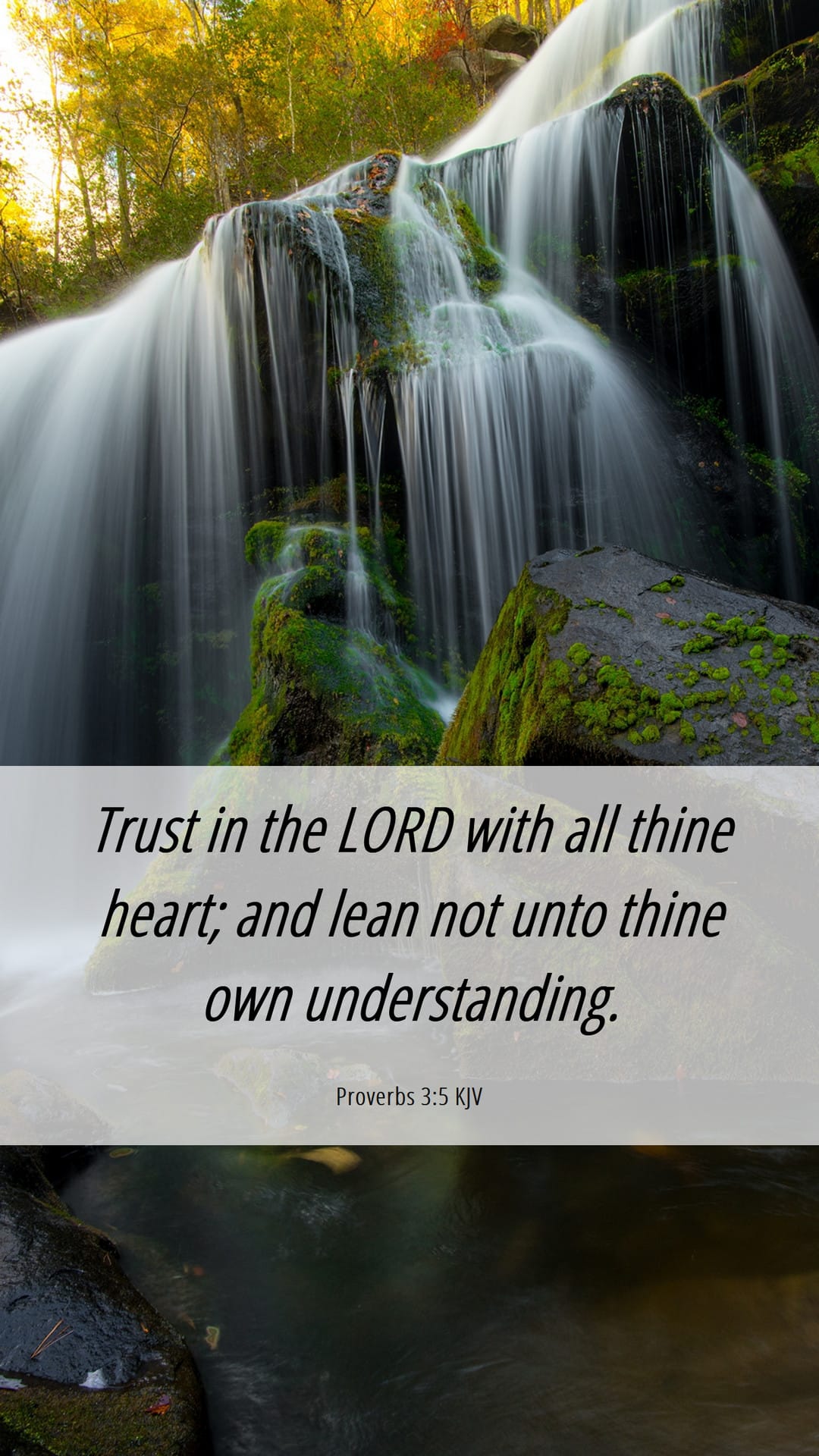
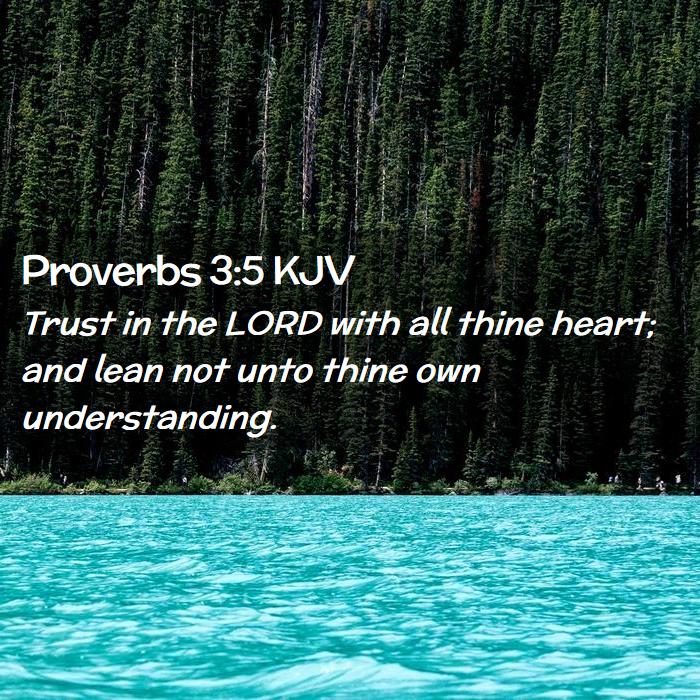
Proverbs 3:5–6 (KJV)
“Trust in the Lord with all thine heart… and he shall direct thy paths.”


Paths can be directed again.
Even after seasons of stillness.
Final Truth
If you feel stuck but not sad, it does not automatically mean something is wrong with you.
You may be experiencing:
- Languishing
- Nervous system fatigue
- Reduced agency
- Meaning depletion
- Chronic overload
These are states.
Not identities.
And states can change.
Momentum begins quietly.
With one honest action.
One small decision.
One reclaimed area of control.
You are not permanently stuck.
You may simply need movement in the right direction.
And that can begin today.