The Neutral Day: Living Between Wellness and Illness

Not every difficult season feels dramatic.
Sometimes there is no crisis.
No breakdown.
No obvious suffering.
But there is also no real sense of vitality.
You get up.
You do what needs to be done.
You move through the day.
You complete responsibilities.
And by evening, you may realize:
Nothing was terrible.
But nothing felt alive either.
This is the neutral day.
A day lived somewhere between wellness and illness.
And many people are spending more time there than they realize.
The Middle Space No One Names
Modern culture often speaks in extremes.
You are either:
- Thriving
or - Struggling
Healthy
or
Unhealthy
Fine
or
In crisis
But much of human life happens in the middle.
There are seasons where you are functioning…
But not flourishing.
Where nothing is medically wrong…
But something internally feels diminished.
Where you are carrying on…
But not deeply connected.
This gray zone can be hard to explain because it lacks drama.
Yet it is deeply real.
What the Neutral Day Feels Like
A neutral day often feels like:
- Emotional flatness
- Low enthusiasm
- Mild fatigue
- Reduced curiosity
- Routine without depth
- Presence without engagement
You may smile.
You may laugh occasionally.
You may complete everything on your list.
But internally, the emotional color feels faded.
Life works.
But it doesn’t move you much.
Why This State Is So Confusing
The neutral day is confusing because nothing appears wrong.
You may have:
- Stability
- Employment
- Relationships
- Health
- Structure
Which leads many people to think:
“I shouldn’t feel this way.”
“I have nothing to complain about.”
“Maybe I’m just lazy.”
But vitality is not measured only by visible blessings.
A person can have good external conditions and still feel internally undernourished.
That is not ingratitude.
It is human complexity.
Between Wellness and Illness
This middle space often includes neither flourishing nor clinical illness.
You may not meet criteria for depression.
You may not feel severely anxious.
You may not need urgent intervention.
But you also may not feel mentally or emotionally well.
That distinction matters.
Because the absence of illness is not the same as the presence of wellness.
A person can be surviving without thriving.
Why Modern Life Produces Neutral Days
Many neutral days are created by subtle depletion.
Examples include:
- Constant notifications
- Chronic low-grade stress
- Too little meaningful rest
- Repetitive routines
- High responsibility
- Lack of novelty
- Low emotional connection
- Fragmented attention
None of these may create acute crisis.
But together, they reduce emotional brightness.
The result is a life that functions efficiently…
Yet feels strangely muted.
The Nervous System and Emotional Grayness
When the nervous system experiences prolonged stress, it often narrows emotional range.
This means:
- High excitement lowers
- Deep sadness lowers
- Reactions flatten
The system does this to conserve energy.
It tries to stabilize you.
But stability can sometimes feel like emotional grayness.
You are not collapsing.
You are conserving.
Why Neutral Can Become Dangerous
The neutral day may seem harmless.
After all, nothing is terribly wrong.
But prolonged neutrality can slowly erode vitality.
When many neutral days stack together, people may begin believing:
“This is adulthood.”
“This is all life is now.”
“I guess this is normal.”
That resignation can quietly weaken hope.
Humans are built for more than maintenance.
We need meaning, connection, movement, and moments of wonder.
Why You May Feel Guilty for Wanting More
Many responsible people feel guilty for wanting deeper aliveness.
They think:
“I should be thankful.”
“Other people have bigger problems.”
“I’m fine.”
Gratitude matters.
But gratitude and longing can coexist.
You can appreciate what you have while still desiring a fuller emotional life.
That desire is not selfish.
It is often a sign of health.
How Wellness Quietly Returns
Wellness rarely returns through dramatic breakthroughs.
It often returns through small rehumanizing moments.
Examples:
- A conversation that feels real
- A walk without your phone
- Creative engagement
- Meaningful prayer
- Physical movement
- Doing one thing with full attention
- Genuine laughter that lingers
These moments reintroduce color to neutral days.
From Neutrality to Engagement
Ask gently:
“What helps me feel more alive in honest ways?”
Not overstimulated.
Alive.
There is a difference.
Overstimulation creates spikes.
Engagement creates depth.
You are not looking for endless excitement.
You are looking for renewed participation in your own life.
A Spiritual Perspective on Quiet Seasons
Some seasons are quiet by design.
Not every neutral day is failure.
Some are restorative.
Some are transitional.
Some are invitations to slow down and listen.
Yet Scripture also speaks of renewal, joy, and restored strength.
Quiet seasons can serve a purpose.
But they are not meant to become permanent emotional exile.
Relevant Scripture (KJV)
Psalm 51:12 (KJV)
“Restore unto me the joy of thy salvation; and uphold me with thy free spirit.”


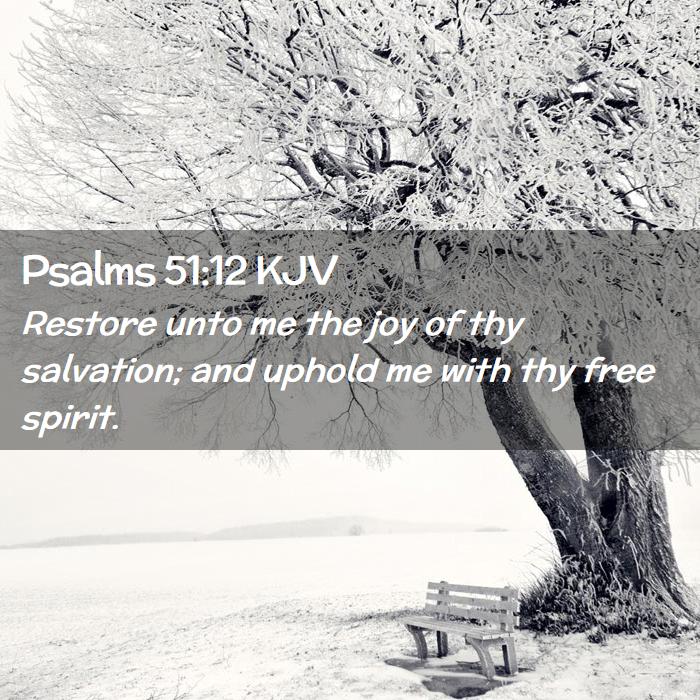
Restore implies something can return.
And for those in quiet seasons:
Isaiah 40:31 (KJV)
“But they that wait upon the Lord shall renew their strength…”



Neutrality is not the final chapter.
Renewal remains possible.
Final Truth
The neutral day is real.
It is the experience of living between wellness and illness.
Not broken.
Not thriving.
Just muted.
If this describes your season, you are not weak or ungrateful.
You may simply be undernourished emotionally, mentally, or spiritually.
And nourishment can be rebuilt.
Through presence.
Through meaning.
Through connection.
Through intentional living.
You do not need a dramatic crisis to justify wanting a more alive life.
Sometimes the quiet absence of vitality is reason enough to begin changing course.