Why Rest Isn’t Fixing Your Burnout

When people begin to feel burned out, the first advice they usually hear is simple:
“Take some time off.”
“Get more rest.”
“Go on vacation.”
And sometimes that advice helps.
But many people return from a weekend break—or even a full vacation—only to realize something unsettling.
The exhaustion is still there.
You may have slept more.
You may have stepped away from responsibilities.
You may even have enjoyed the time off.
Yet within days, the same emotional fatigue returns.
And the question becomes:
“Why am I still burned out if I’ve already rested?”
The answer often surprises people.
Burnout is rarely caused by lack of rest alone.
Burnout Is More Than Physical Tiredness
When most people think of rest, they think about sleep.
And sleep is important.
But burnout is not just physical exhaustion.
It is emotional and psychological depletion.
You can sleep for ten hours and still wake up feeling drained if the deeper sources of stress remain unchanged.
Burnout often affects several areas at once:
- Emotional energy
- Motivation
- Sense of meaning
- Mental clarity
- Personal agency
Because of this, sleep alone cannot restore what has been depleted.
Burnout requires more than rest.
It requires recovery.
The Difference Between Rest and Recovery
Rest means stopping activity.
Recovery means rebuilding capacity.
You can stop working for a few days and still return to the same emotional patterns that caused burnout in the first place.
Recovery happens when something actually replenishes your internal resources.
This might include:
- Reducing chronic stressors
- Reconnecting with meaningful activities
- Regaining a sense of control over your time
- Restoring emotional support
- Processing unresolved stress
Without these deeper shifts, rest simply pauses exhaustion—it doesn’t heal it.
When the Source of Burnout Is Still Present
One of the most common reasons rest doesn’t work is simple:
The environment that created burnout is still there.
If you return from vacation to the same overwhelming workload, unresolved conflict, or constant pressure, the nervous system quickly returns to stress mode.
Your body may feel temporarily refreshed.
But the underlying strain remains.
Burnout recovery often requires adjusting the conditions that caused the exhaustion in the first place.
Emotional Burnout Requires Emotional Restoration
Burnout often develops when emotional energy is repeatedly spent without renewal.
This can happen when people spend long periods:
- Caring for others
- Managing conflict
- Carrying responsibility
- Suppressing their own emotions
If emotional output continues without emotional replenishment, fatigue accumulates.
In these situations, recovery may involve:
- Honest conversations
- Emotional support
- Time for reflection
- Activities that restore joy and meaning
Without emotional restoration, burnout continues even if physical rest increases.
The Problem of Mental Overload
Modern life rarely allows the mind to rest fully.
Even during breaks, many people remain mentally engaged with stress.
You may still be thinking about:
- Work responsibilities
- Family obligations
- Financial concerns
- News and social media
- Unfinished tasks
If the mind never truly disconnects from stress, the nervous system never fully resets.
True recovery requires moments where the brain can step out of constant problem-solving mode.
When Burnout Comes From Lack of Meaning
Sometimes burnout develops not from working too much, but from working without meaning.
If your daily activities feel disconnected from your values or purpose, motivation naturally declines.
You may continue functioning, but the emotional reward for your effort disappears.
This creates a cycle where effort feels draining instead of fulfilling.
Rest alone cannot solve this kind of burnout.
What restores energy in these situations is often reconnecting with meaningful work or relationships.
The Role of Personal Agency
Another hidden factor in burnout is the loss of control.
When people feel they have little influence over their schedule, decisions, or responsibilities, stress increases dramatically.
Even small changes in personal agency can make a large difference.
Examples include:
- Setting clearer boundaries
- Delegating responsibilities
- Making intentional choices about priorities
When people regain a sense of direction in their lives, emotional energy often begins to return.
Burnout Sometimes Needs Processing
Burnout is not always just exhaustion.
It can also involve accumulated stress that has never been processed.
Difficult experiences, disappointments, and long periods of pressure can remain in the mind and body.
If those experiences are never acknowledged, the nervous system stays in a defensive state.
Talking through challenges, reflecting on experiences, or seeking support can help release some of that accumulated tension.
Processing stress is often part of recovery.
Why Vacation Burnout Is Common
Many people experience something known as “vacation burnout.”
They take time off hoping to feel refreshed, but the relief disappears quickly.
This happens because vacations often remove stress temporarily but do not change the patterns that created burnout.
If the underlying pressures remain unchanged, the body quickly returns to its previous state.
Vacations can be helpful, but they are not a complete solution.
Sustainable recovery usually requires deeper adjustments in daily life.
Recovery Happens Gradually
One of the most important things to remember is that burnout rarely develops overnight.
It usually builds over months or years.
For the same reason, recovery often happens gradually.
Small improvements matter.
Moments of clarity, renewed motivation, or emotional presence are signs that recovery has begun.
Healing does not require immediate transformation.
It begins with consistent restoration.
A Spiritual Reflection
The Bible reminds us that human strength has limits.
Even the most dedicated people grow weary.
But Scripture also emphasizes renewal.
God does not ask people to carry every burden alone.
He invites them to find rest in Him.
Relevant Scripture (KJV)
Matthew 11:28–29 (KJV)
“Come unto me, all ye that labour and are heavy laden, and I will give you rest.
Take my yoke upon you, and learn of me; for I am meek and lowly in heart: and ye shall find rest unto your souls.”
And another reminder for those who feel worn down:
Psalm 23:2–3 (KJV)
“He maketh me to lie down in green pastures: he leadeth me beside the still waters.
He restoreth my soul…”
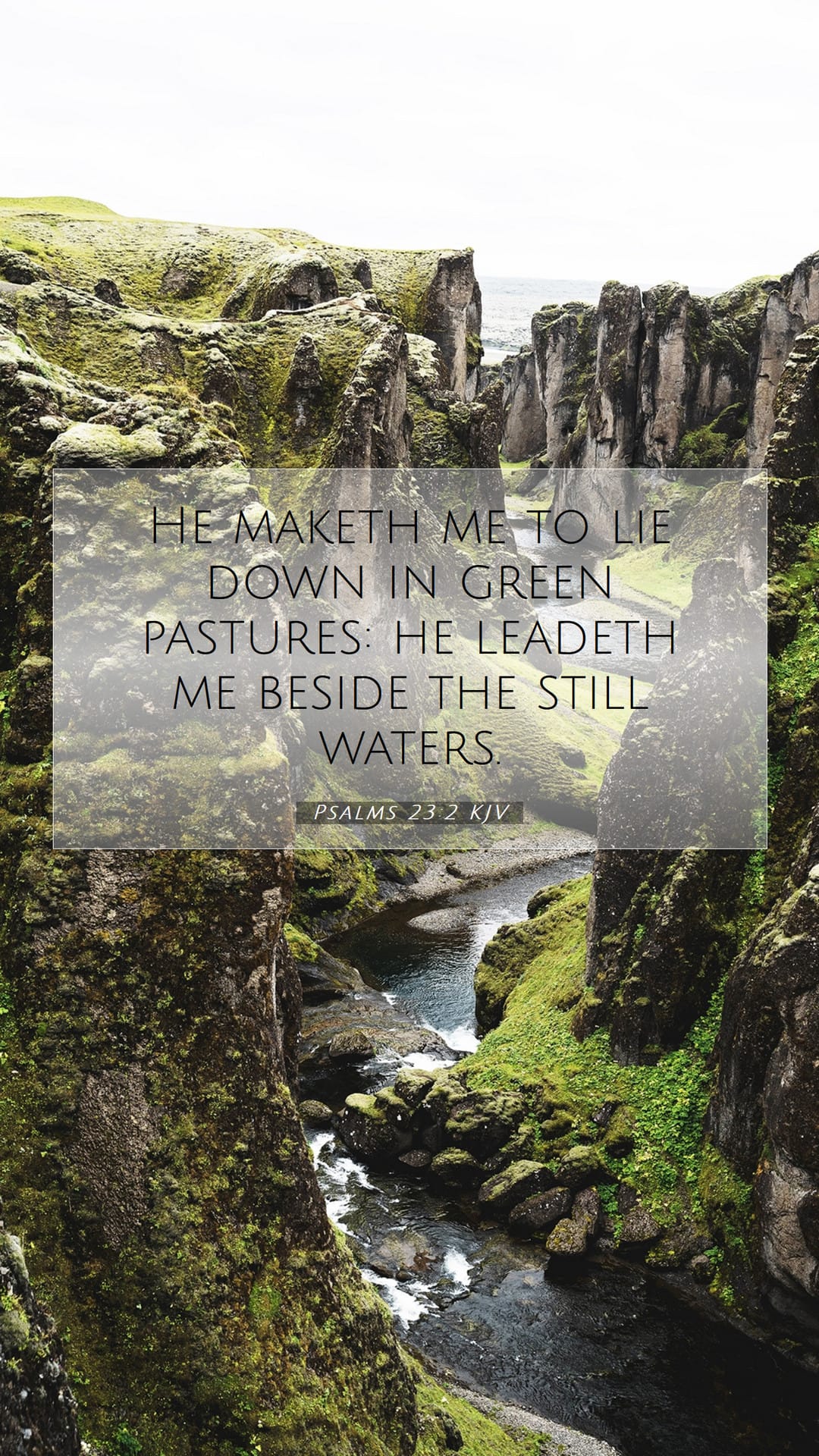
Notice the phrase restoreth my soul.
Burnout recovery often requires restoration at a deeper level than simple rest.
Final Truth
If rest hasn’t fixed your burnout, you are not failing at recovery.
You may simply be dealing with a deeper form of exhaustion.
Burnout often involves emotional strain, loss of meaning, mental overload, and chronic responsibility.
True recovery begins when the causes of that exhaustion are addressed—not just paused.
Rest is important.
But restoration is what truly brings energy back to life.
And restoration, when pursued intentionally, is always possible.