Why Burnout Now Goes Beyond Work

For many years, burnout was considered a workplace problem.
It was associated with demanding careers, long hours, and high-pressure jobs. The common image of burnout was someone exhausted from work — overworked employees, overwhelmed executives, or professionals pushed beyond their limits.
But today, burnout has expanded far beyond the workplace.
Many people feel emotionally drained even when their job is not the primary source of stress.
You might find yourself thinking:
“I’m not just tired of work. I’m tired of everything.”
This shift reflects a deeper reality about modern life.
Burnout today is no longer just about work.
It is about the total weight of living in a constantly demanding world.
The Old Definition of Burnout
Traditionally, burnout was defined as a response to chronic workplace stress.
Psychologists described it through three main symptoms:
- Emotional exhaustion
- Detachment or cynicism toward work
- Reduced effectiveness or motivation
In this model, burnout was largely tied to professional roles.
If someone felt exhausted or disengaged, the assumption was that their job environment needed to change.
And for many people, that was true.
But the modern experience of burnout has become far more complex.
The Expansion of Stress in Modern Life
Work is no longer the only place where pressure exists.
Today, people carry stress across multiple areas of life at the same time.
Responsibilities often overlap in ways that previous generations rarely experienced.
Modern stress can come from:
- Work demands
- Financial uncertainty
- Parenting responsibilities
- Caring for aging family members
- Social expectations
- Digital overload
- Constant news cycles
- Cultural and economic instability
Even when work ends for the day, the mind rarely stops processing everything else.
The result is chronic emotional load.
And emotional load accumulates.
The Digital Layer of Burnout
One of the biggest changes in modern life is constant digital connection.
Phones rarely leave our hands. Notifications appear continuously. Information never stops flowing.
This creates a subtle but powerful form of mental pressure.
Your brain is constantly processing:
- Messages
- Emails
- News alerts
- Social media updates
- Global events
Even when you are resting, your mind may still be absorbing stimulation.
This makes true recovery difficult.
The nervous system never fully powers down.
Over time, this constant input contributes to emotional fatigue.
The Always-On Culture
Modern life has blurred the boundaries between work and personal life.
Emails arrive after hours. Messages appear late at night. Expectations follow people everywhere.
Even when you are technically off work, your mind may still feel responsible.
This “always-on” environment prevents full mental recovery.
Without clear separation between effort and rest, exhaustion builds quietly.
Many people today are not just tired from work.
They are tired from never fully disconnecting.
Emotional Labor Beyond the Workplace
Burnout is also linked to emotional labor.
Emotional labor is the effort required to manage emotions — both your own and others’.
Many people carry emotional responsibilities such as:
- Supporting family members
- Helping friends through difficult seasons
- Managing workplace relationships
- Navigating social tensions
These roles often go unnoticed.
Yet emotional labor can be deeply draining over time.
You may find yourself absorbing other people’s stress while suppressing your own.
That imbalance can quietly lead to burnout.
The Pressure to Do Everything Well
Modern culture encourages people to excel in every area of life.
You are expected to succeed professionally, maintain relationships, stay healthy, remain informed, raise a family, and pursue personal growth.
While these goals can be meaningful, they also create constant internal pressure.
Many people feel like they must be:
- Productive
- Present
- Successful
- Emotionally available
- Physically healthy
- Spiritually grounded
All at the same time.
This level of expectation can stretch emotional capacity beyond sustainable limits.
The Hidden Burnout of Caregivers
Caregiving responsibilities are another major contributor to burnout today.
Parents, partners, and adult children often carry emotional and logistical responsibilities for others.
This can include:
- Parenting young children
- Supporting teenagers
- Caring for aging parents
- Managing household responsibilities
Caregiving is deeply meaningful.
But it is also emotionally demanding.
When caregiving happens alongside work, financial pressure, and other responsibilities, emotional exhaustion can build quickly.
When Burnout Feels Like Life Fatigue
Because burnout now extends beyond work, many people struggle to identify the cause of their exhaustion.
You may feel:
- Tired even when work is manageable
- Emotionally drained without a clear reason
- Less interested in activities you once enjoyed
- Disconnected from your own life
This can create confusion.
You might wonder:
“If work isn’t overwhelming, why do I feel this way?”
The answer may be simple.
Burnout is no longer confined to a single area.
It is often the result of multiple pressures accumulating across life.
The Emotional Cost of Carrying Too Much
When responsibilities accumulate without enough recovery, the nervous system begins to protect itself.
It may reduce emotional intensity.
Motivation may fade.
Interest in activities may decline.
You may feel like you are simply going through the motions.
These are not signs of weakness.
They are signals from your system that something needs attention.
Burnout often begins when you have been strong for too long without restoration.
Reclaiming Balance in a Demanding World
Addressing burnout today requires a broader perspective.
It is not only about reducing work stress.
It may involve:
- Setting boundaries with technology
- Protecting time for rest and recovery
- Asking for help with responsibilities
- Reconnecting with meaningful activities
- Creating space for reflection and renewal
Even small adjustments can begin restoring emotional balance.
Recovery does not require dramatic life changes.
It often begins with intentional awareness.
A Spiritual Reflection
The Bible recognizes the reality of human exhaustion.
Even strong and faithful people grow weary.
God never intended people to carry endless pressure without rest.
Scripture repeatedly emphasizes renewal.
Relevant Scripture (KJV)
Matthew 11:28–29 (KJV)
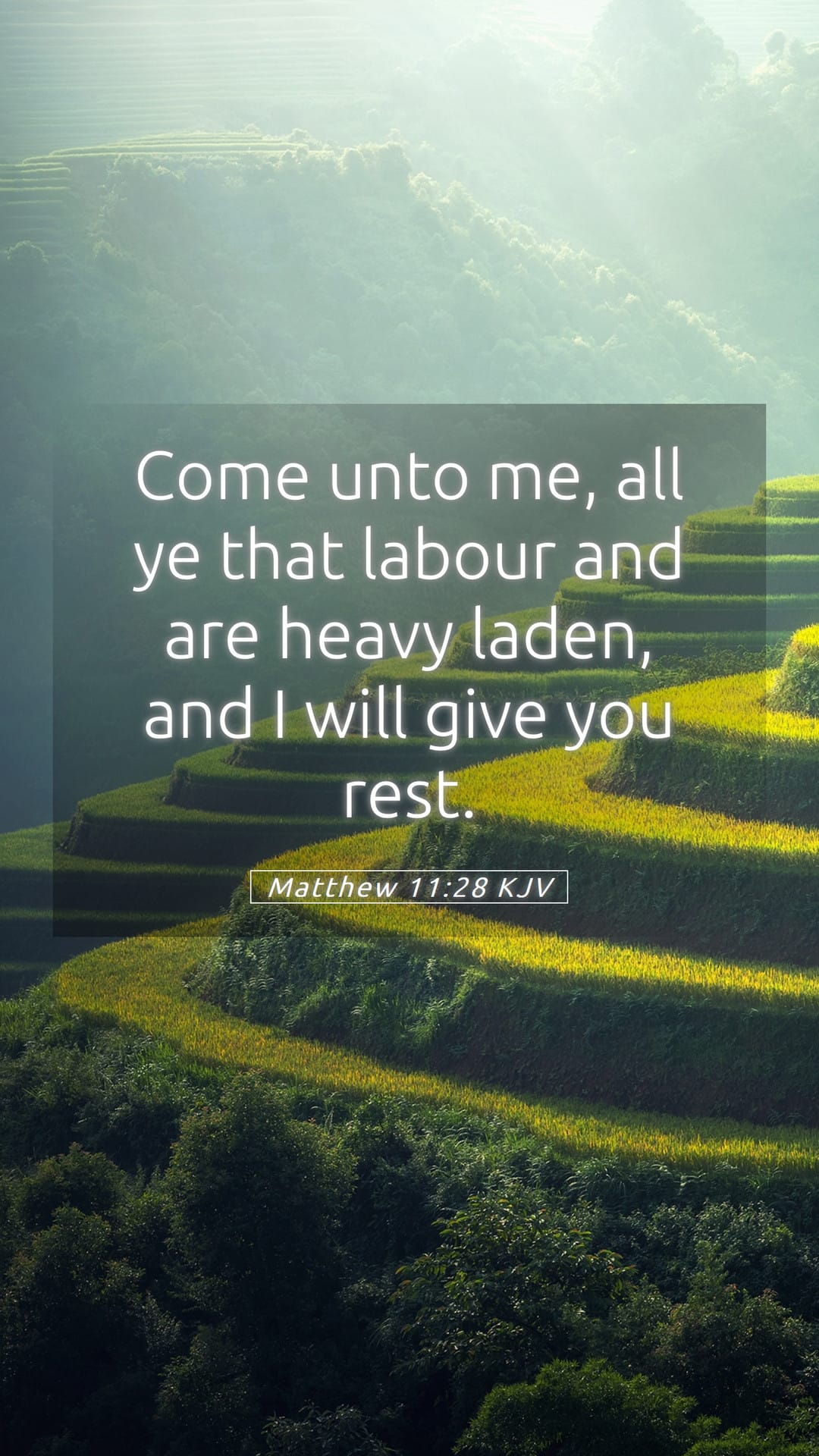
“Come unto me, all ye that labour and are heavy laden, and I will give you rest.
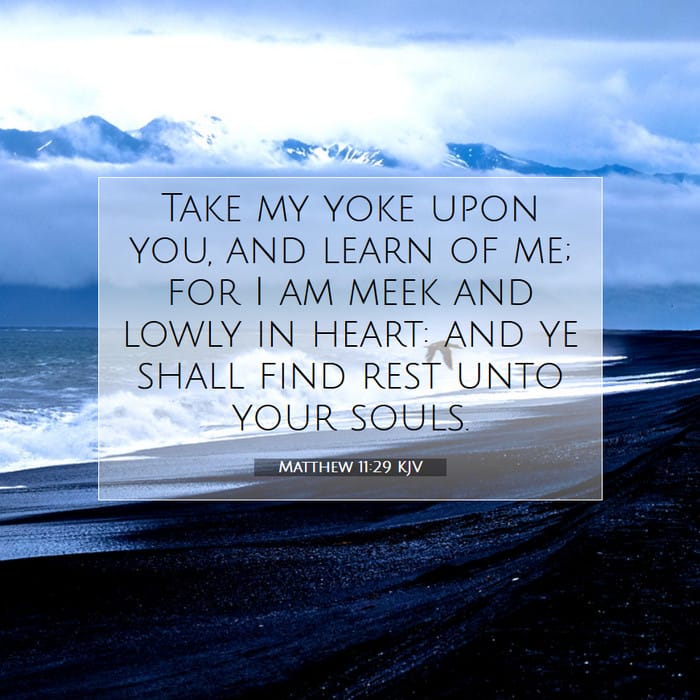
Take my yoke upon you, and learn of me; for I am meek and lowly in heart: and ye shall find rest unto your souls.”
And another reminder for those feeling overwhelmed:
Psalm 46:10 (KJV)
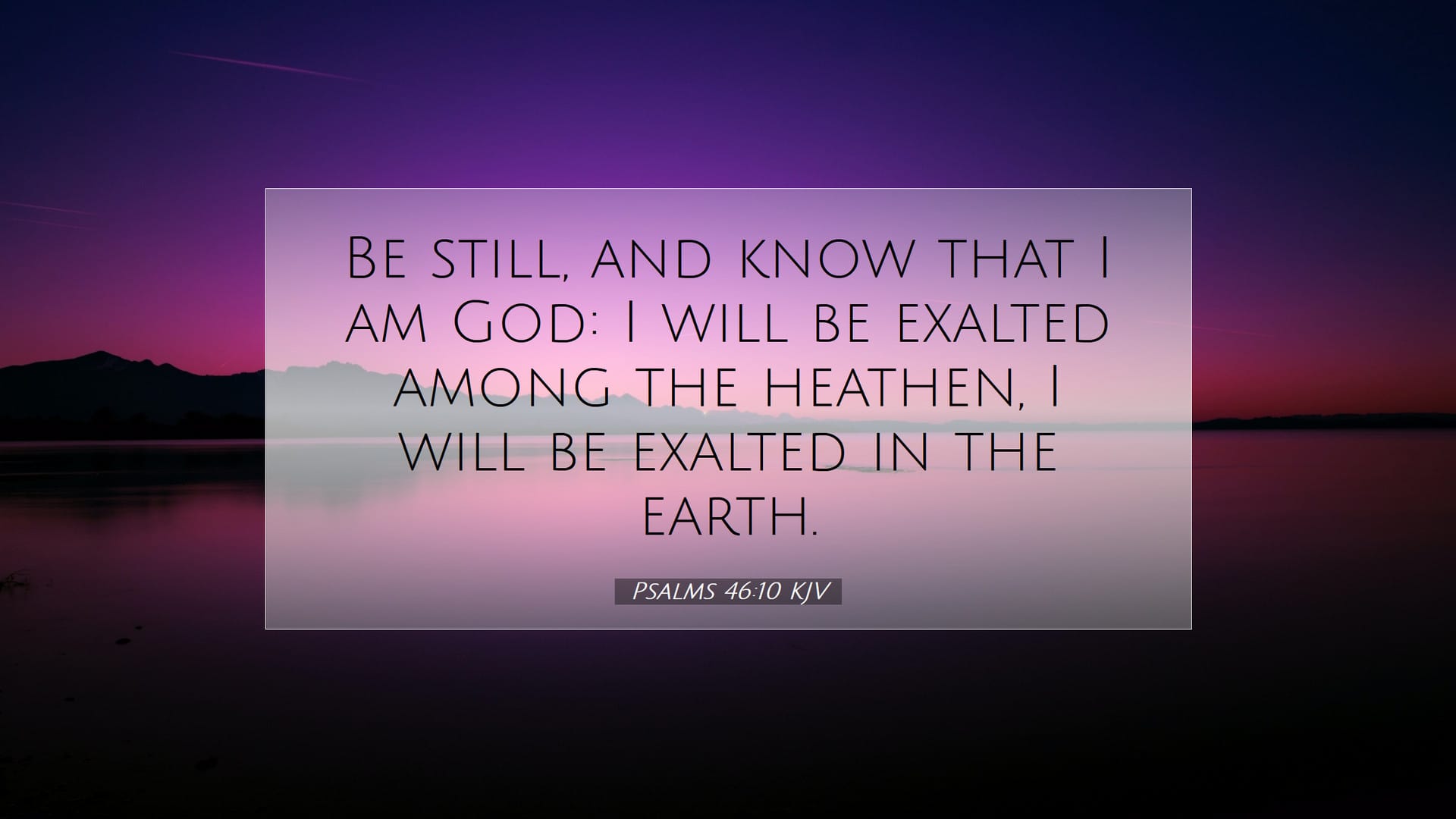
“Be still, and know that I am God…”
Stillness is not wasted time.
It is where restoration begins.
Final Truth
Burnout today is not only about work.
It is about the cumulative weight of modern life.
Responsibilities, information, expectations, and emotional labor often overlap in ways that stretch human capacity.
If you feel exhausted even when your job is manageable, you are not imagining it.
Your experience reflects the reality of living in a complex world.
But burnout is not permanent.
Awareness is the first step toward restoration.
And with intentional care, emotional strength can return.
One step at a time.