Recovering From Burnout Without Quitting Your Life

When burnout reaches a certain point, many people begin to imagine only one solution.
Escape.
Quit the job.
Move somewhere new.
Walk away from responsibilities.
Start over completely.
And while major life changes can sometimes be necessary, they are not the only path to recovery.
In fact, many people recover from burnout without abandoning the life they have built.
Burnout does not always mean your life is wrong.
Often, it means your life has become unsustainably heavy.
The goal of recovery is not necessarily to quit your life.
The goal is to restore your energy within it.
Why Burnout Makes You Want to Escape
Burnout changes how the brain processes stress.
When exhaustion becomes chronic, the nervous system enters a protective state.
In this state, your brain looks for ways to reduce pressure as quickly as possible.
Escape becomes appealing because it promises immediate relief.
You may think:
“If I could just get away from this, everything would be better.”
But burnout is often caused by patterns, not just circumstances.
If those patterns follow you into a new environment, exhaustion can return.
That’s why recovery often requires deeper adjustments rather than sudden escape.
Burnout Often Builds Gradually
Most people do not wake up burned out overnight.
Burnout develops slowly through months or years of accumulated strain.
It can grow from:
- Constant responsibility
- Emotional labor
- Long-term stress
- Lack of boundaries
- Insufficient recovery time
Because burnout builds gradually, recovery usually happens gradually as well.
Small adjustments often create meaningful change over time.
Restoring Energy Without Radical Change
Many people assume that burnout recovery requires dramatic life shifts.
But energy often begins to return when a few key areas are addressed.
These include:
- Boundaries
- Recovery time
- Meaningful activities
- Support from others
Even modest improvements in these areas can significantly reduce emotional strain.
The goal is not to abandon your responsibilities.
It is to balance them with restoration.
Rebuilding Healthy Boundaries
One of the most powerful steps in burnout recovery is setting healthier boundaries.
Burnout often develops when people say “yes” to more than their emotional capacity can sustain.
This can happen in:
- Work responsibilities
- Family expectations
- Social obligations
Healthy boundaries protect your energy.
They help ensure that your time and emotional resources are not constantly depleted.
Learning to say “no” when necessary can be an important part of recovery.
Creating Real Recovery Time
True recovery requires more than short breaks between tasks.
It requires time where the mind and body can genuinely relax.
This may involve:
- Stepping away from constant digital input
- Spending time in quiet environments
- Engaging in activities that restore your energy
- Allowing yourself to rest without guilt
Recovery time is not wasted time.
It is essential for rebuilding emotional strength.
Reconnecting With Meaning
Burnout often weakens the connection between effort and meaning.
When people feel that their work or responsibilities no longer matter, motivation naturally declines.
Reconnecting with meaning can help restore energy.
This may include:
- Reflecting on the purpose behind your responsibilities
- Focusing on the positive impact of your actions
- Reengaging with activities that bring a sense of fulfillment
Meaning does not eliminate stress.
But it often makes the effort feel worthwhile.
Letting Others Share the Load
Many people experiencing burnout are accustomed to carrying responsibility alone.
They may feel uncomfortable asking for help.
But recovery often requires sharing the load.
This could involve:
- Delegating tasks at work
- Asking family members for support
- Accepting help from trusted friends
Allowing others to contribute does not mean you are incapable.
It means you are recognizing the limits of human energy.
Accepting That Recovery Takes Time
One of the most difficult aspects of burnout recovery is patience.
People who are used to solving problems quickly may expect immediate improvement.
But emotional energy rebuilds gradually.
You may notice small changes first:
- Feeling slightly less overwhelmed
- Enjoying brief moments of calm
- Regaining motivation for certain activities
These small shifts are meaningful.
They signal that recovery has begun.
When Bigger Changes Are Needed
Sometimes burnout reveals deeper issues that require more significant adjustments.
This could include:
- Changing job roles
- Reducing workload
- Reevaluating priorities
But these decisions are best made with clarity, not exhaustion.
Burnout can distort perception.
Taking time to recover before making major life changes often leads to better decisions.
Strength Through Sustainable Living
Burnout recovery is not about abandoning responsibility.
It is about creating a life where responsibility is balanced with restoration.
When energy is protected and replenished regularly, people can continue fulfilling meaningful roles without becoming depleted.
Sustainable living allows you to contribute to the world while maintaining your own well-being.
A Spiritual Reflection
The Bible reminds us that human strength has limits.
Even the most devoted individuals grow weary.
But Scripture also emphasizes renewal.
God does not call people to carry every burden alone.
He invites them to find rest in Him.
Relevant Scripture (KJV)
Isaiah 40:31 (KJV)
“But they that wait upon the Lord shall renew their strength; they shall mount up with wings as eagles; they shall run, and not be weary; and they shall walk, and not faint.”

And another reminder about restoring balance:
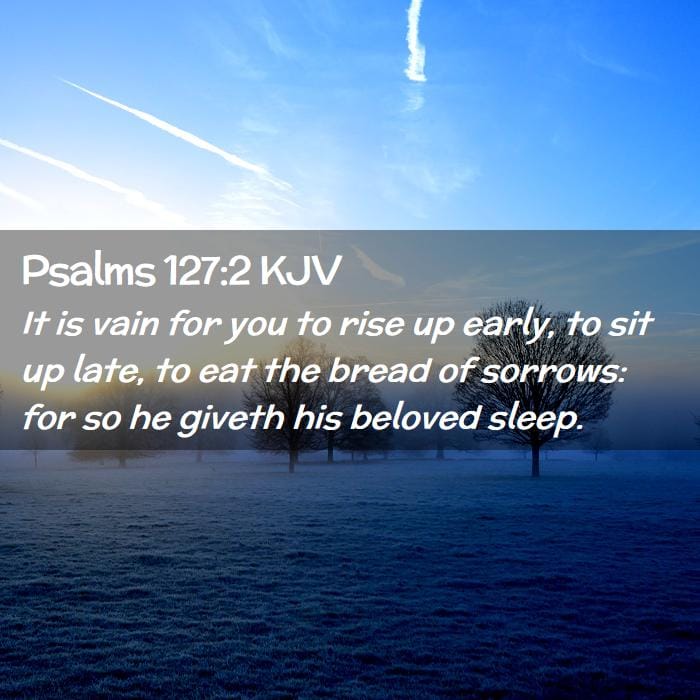
Psalm 127:2 (KJV)
“It is vain for you to rise up early, to sit up late, to eat the bread of sorrows: for so he giveth his beloved sleep.”
Rest is not failure.
It is part of renewal.
Final Truth
Recovering from burnout does not always require quitting your life.
Often, it requires changing how you carry it.
By restoring boundaries, allowing time for recovery, reconnecting with meaning, and sharing responsibilities, emotional strength can gradually return.
Burnout is not the end of your story.
It is a signal that something in your life needs care.
And when that care is given, energy and clarity can begin to grow again—one step at a time.