Languishing vs Depression: The Critical Difference

There are seasons when life feels heavier than it should.
You are functioning.
You are getting through the day.
You are doing what needs to be done.
But something feels off.
Motivation is lower.
Joy feels muted.
Energy feels thin.
Life feels strangely flat.
And a common question rises quickly:
“Am I depressed?”
Sometimes the answer may be yes.
But many people asking that question are experiencing something different.
They are not collapsing.
They are languishing.
And understanding the difference between languishing and depression can bring enormous relief, clarity, and direction.
Why These Two States Get Confused
Languishing and depression can look similar on the surface.
Both may involve:
- Low motivation
- Reduced enjoyment
- Fatigue
- Emotional flatness
- Difficulty concentrating
- Feeling disconnected from life
Because of this overlap, people often assume any loss of vitality must be depression.
But human emotional life is more nuanced than that.
There is a wide middle ground between thriving and clinical distress.
Languishing often lives there.
What Is Languishing?
Languishing is a state of emotional stagnation.
You are not in crisis.
But you are not flourishing either.
You may feel:
- Stuck
- Uninspired
- Flat
- Disconnected
- Drifting through routines
You still function.
You still show up.
You still handle responsibilities.
But internally, life feels muted.
Languishing is often the absence of vitality rather than the presence of severe suffering.
What Is Depression?
Depression is more than low energy or a bad week.
It often involves deeper changes in mood, thought patterns, and emotional functioning.
Common symptoms can include:
- Persistent sadness or emptiness
- Hopelessness
- Loss of interest in nearly everything
- Feelings of worthlessness
- Significant fatigue
- Changes in sleep or appetite
- Difficulty functioning day to day
Depression can alter how a person experiences life at a fundamental level.
It deserves compassion and often professional support.
One Major Difference: Emotional Tone
Languishing often feels like flatness.
Depression often feels like heaviness.
Languishing may sound like:
“I just feel blah.”
“I’m going through the motions.”
“I don’t feel excited about much.”
Depression may sound like:
“I feel hopeless.”
“I don’t see the point.”
“Everything feels dark.”
Languishing lacks spark.
Depression often carries pain.
That distinction matters.
Another Difference: Capacity to Function
Many people who are languishing continue functioning relatively well.
They work.
Parent.
Maintain routines.
Meet responsibilities.
But they do so with reduced vitality.
Depression can sometimes make even basic functioning difficult.
Simple tasks may feel overwhelming.
Getting out of bed, concentrating, or completing ordinary responsibilities may require enormous effort.
Again, experiences vary — but this difference is often significant.
Languishing Is Often Linked to Environment
Languishing commonly emerges after prolonged stress, uncertainty, overstimulation, or loss of meaning.
It can be fueled by:
- Chronic busyness
- Digital overload
- Routine without purpose
- Reduced agency
- Emotional disconnection
In many cases, when lifestyle patterns improve, vitality begins to return.
Depression can involve environmental factors too, but it often persists beyond changes in circumstance and may require more comprehensive support.
Why Modern Life Produces More Languishing
Many people today are not deeply miserable.
They are emotionally undernourished.
They live in conditions of:
- Constant notifications
- Fragmented attention
- High responsibility
- Limited stillness
- Chronic low-grade stress
These conditions may not create acute crisis.
But they can slowly drain vitality.
That drain often looks like languishing.
Why Mislabeling Matters
If someone who is languishing assumes they are broken, they may panic unnecessarily.
If someone who is depressed assumes they are “just unmotivated,” they may delay needed support.
Accurate understanding matters.
Labels are not everything.
But clarity helps guide the right response.
Signs You May Be Languishing
You may be languishing if:
- You feel flat more than deeply sad
- Life feels repetitive and muted
- You function but feel disengaged
- You want more vitality but can’t access it
- You feel stuck rather than hopeless
This state deserves care.
Even if it is not depression.
Signs It May Be Depression
It may be depression if you experience:
- Persistent sadness or emptiness
- Hopelessness
- Loss of pleasure in nearly everything
- Feelings of worthlessness
- Significant changes in sleep/appetite
- Ongoing difficulty functioning
If these are present, seeking professional support is wise and strong.
You do not need to carry it alone.
Languishing Can Become Depression
This is important.
Languishing is not harmless simply because it may be less severe.
If prolonged stagnation continues without change, deeper discouragement can develop.
When people feel disconnected long enough, hope can weaken.
That is why languishing deserves attention early.
Vitality matters.
How Languishing Begins to Lift
Languishing often improves through:
- Rebuilding agency
- Protecting attention
- Meaningful routines
- Physical movement
- Real connection
- Reduced overstimulation
- Honest reflection
It is often less about emergency treatment and more about steady re-engagement with life.
How Depression Often Improves
Depression may improve through:
- Counseling or therapy
- Medical evaluation when appropriate
- Supportive relationships
- Gradual routines and movement
- Compassionate care over time
There is real hope.
Depression is treatable.
A Spiritual Perspective
Scripture recognizes many emotional states.
Weariness.
Discouragement.
Dry seasons.
Heavy hearts.
Not every low season is the same.
Some require rest.
Some require repentance.
Some require healing.
Some require help.
Wisdom begins by discerning the difference.
Relevant Scripture (KJV)
Proverbs 14:10 (KJV)
“The heart knoweth his own bitterness; and a stranger doth not intermeddle with his joy.”

There are inner realities that require honest discernment.
And for those feeling weary:
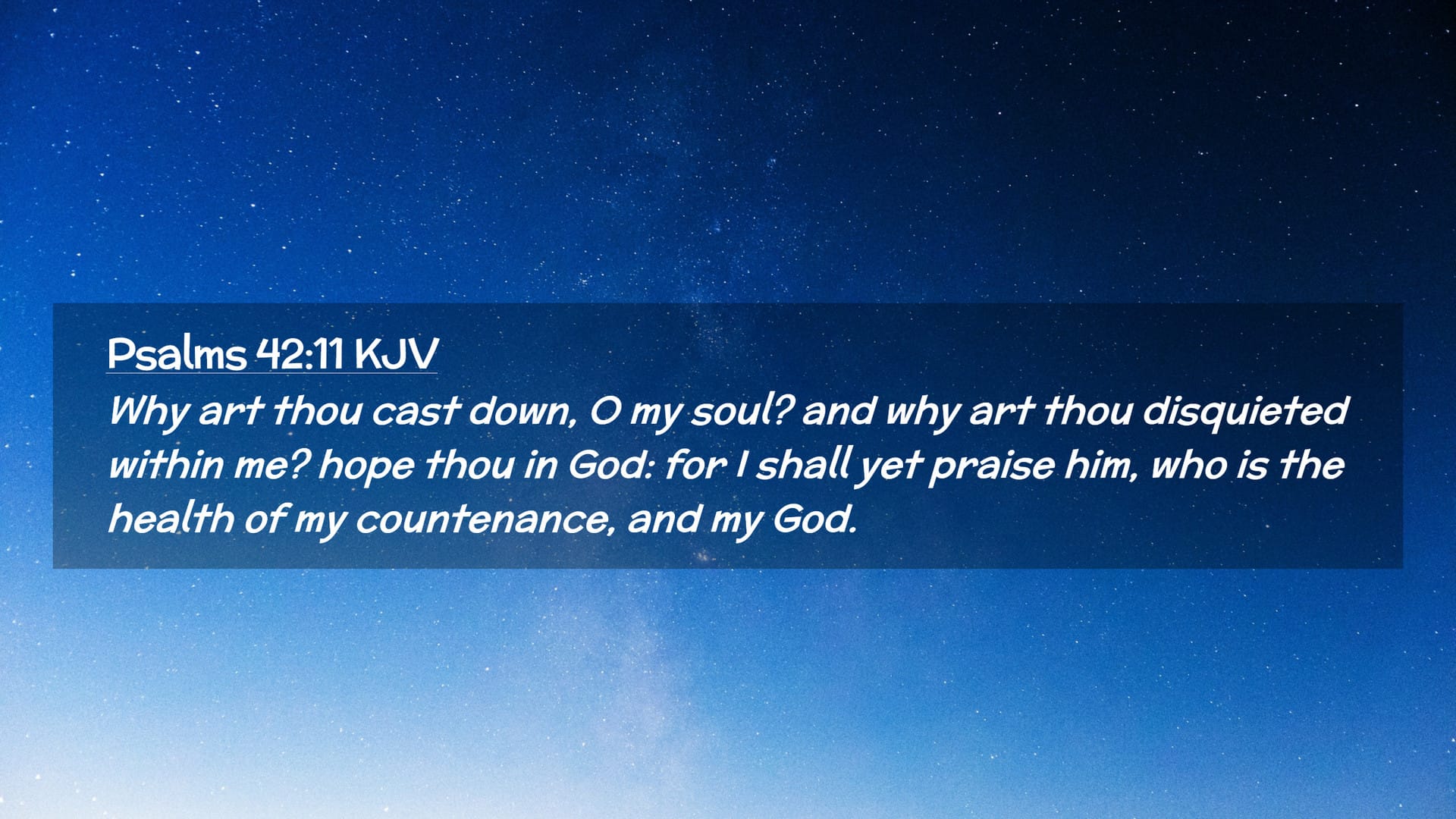
Psalm 42:11 (KJV)
“Why art thou cast down, O my soul? and why art thou disquieted within me? hope thou in God…”
Naming the state is part of healing.
Final Truth
Languishing and depression are not the same.
Languishing often says:
“I have lost vitality.”
Depression often says:
“I am carrying deep emotional pain.”
Both deserve compassion.
Both deserve attention.
Both deserve care.
If you are not sure which one you are experiencing, you do not need to solve it perfectly today.
Start with honesty.
Start with support.
Start with one caring step forward.
Because whether the issue is stagnation or suffering, healing begins the same way:
With truth, gentleness, and hope.