Burnout vs Depression: How to Tell the Difference

There are moments when life feels heavier than it should.
You wake up tired.
Tasks feel harder.
Motivation fades.
Things that once energized you feel distant.
And a quiet question begins to form:
“Am I burned out… or am I depressed?”
It’s a common and deeply important question.
Because while burnout and depression can feel similar on the surface, they are not the same experience.
Understanding the difference can bring clarity, reduce fear, and help you move toward the right kind of support.
Why the Confusion Happens
Burnout and depression share several symptoms.
Both can include:
- Low motivation
- Emotional exhaustion
- Reduced enjoyment in activities
- Difficulty concentrating
- Feelings of detachment
- Fatigue
Because these symptoms overlap, many people assume the worst when their energy drops.
But the underlying causes — and the paths to recovery — are often different.
Burnout is usually related to chronic stress and depletion.
Depression involves deeper shifts in mood, perception, and emotional regulation.
Understanding that difference matters.
What Burnout Actually Is
Burnout develops when prolonged stress exceeds your capacity to recover.
It is often linked to:
- Work pressure
- Caregiving responsibilities
- Leadership demands
- Emotional labor
- Chronic overcommitment
Over time, your internal resources begin to drain.
You may start to feel:
- Exhausted even after rest
- Detached from responsibilities
- Cynical or emotionally distant
- Less effective or motivated
Burnout is the nervous system saying:
“I have been running too long without restoration.”
It is depletion.
Not necessarily despair.
What Depression Looks Like
Depression reaches deeper into mood and identity.
It can affect how you think, feel, and interpret the world.
Common signs include:
- Persistent sadness or emptiness
- Hopelessness about the future
- Loss of pleasure in nearly everything
- Changes in sleep or appetite
- Feelings of worthlessness or guilt
- Loss of energy even for basic tasks
Depression often reshapes how life feels at a fundamental level.
It is not simply being tired or overwhelmed.
It can make hope itself feel distant.
This is why professional support is important if these symptoms are present.
One Key Difference: Context
Burnout usually has a clear context.
For example:
- A demanding job
- Caregiving stress
- Long-term pressure
- Emotional labor without recovery
When you step away from that context — through rest, vacation, or role change — you may feel noticeably better.
Depression is different.
The heavy mood often follows you regardless of the environment.
Even when circumstances improve, the emotional weight remains.
That’s one of the most important distinctions.
Another Difference: Emotional Tone
Burnout often produces exhaustion and frustration.
Depression often produces sadness and hopelessness.
Burnout might sound like:
“I’m so tired of this.”
Depression might sound like:
“What’s the point?”
Burnout still contains a sense that things could improve.
Depression often blurs that hope.
Burnout Can Lead to Depression
While they are different, burnout can sometimes evolve into depression if it continues long enough without recovery.
Chronic depletion weakens emotional resilience.
If exhaustion persists for months or years without relief, deeper mood changes can develop.
That’s why addressing burnout early matters.
Rest, boundaries, and recovery are not luxuries — they are protection.
When Life Feels Flat But Not Hopeless
Many people experience a middle state.
They don’t feel deeply sad.
But they also don’t feel energized.
Life feels muted.
This emotional flatness is often connected to:
- Prolonged stress
- Emotional overload
- Loss of anticipation
- Nervous system fatigue
It may resemble burnout more than depression.
But it still deserves attention.
Your emotional vitality matters.
Why the Nervous System Pulls Back
Under prolonged strain, the nervous system protects itself by narrowing emotional range.
This can create a state where:
- High excitement fades
- Deep sadness softens
- Emotional reactions feel muted
This is a form of conservation.
Your system is trying to stabilize.
But stabilization can feel like emotional distance.
Understanding this can relieve the fear that something is fundamentally wrong with you.
Signs You May Be Experiencing Burnout
You might be experiencing burnout if:
- Your exhaustion is tied to specific responsibilities
- Rest temporarily improves your mood
- You feel cynical about work or obligations
- Motivation returns when pressure decreases
- You still feel hopeful about life outside the stressful area
Burnout is often situational.
That means it can change when circumstances change.
Signs It Might Be Depression
It may be depression if you experience:
- Persistent sadness most days
- Loss of interest in nearly everything
- Feelings of worthlessness or guilt
- Difficulty experiencing any positive emotion
- Changes in sleep or appetite
- Hopelessness about the future
If these symptoms last several weeks or interfere with daily functioning, professional support can make a profound difference.
Seeking help is strength.
Not weakness.
Why Self-Diagnosis Isn’t the Goal
It’s natural to try to label what you’re feeling.
But the goal isn’t perfect diagnosis.
The goal is awareness.
If you feel depleted, overwhelmed, or emotionally flat, that’s worth paying attention to.
Your internal life deserves care.
Whether the cause is burnout, depression, or something in between, acknowledging the experience is the first step toward healing.
Steps That Help With Burnout
If burnout is the primary issue, recovery often includes:
- Setting healthier boundaries
- Reducing chronic stressors
- Reclaiming time for restoration
- Reconnecting with meaningful activities
- Strengthening supportive relationships
Burnout recovery is about replenishing what prolonged pressure drained.
Steps That Help With Depression
Depression often benefits from:
- Professional counseling or therapy
- Medical evaluation if appropriate
- Emotional support systems
- Gradual re-engagement with life activities
Depression is treatable.
And many people recover with the right support.
A Compassionate Reminder
Whether you are experiencing burnout, depression, or emotional exhaustion, one truth remains:
You are not weak.
You are human.
Life asks a lot from people — emotionally, mentally, spiritually.
Feeling overwhelmed does not mean you failed.
It often means you carried too much for too long.
And recognizing that is the beginning of restoration.
A Spiritual Reflection
Scripture speaks often about weariness.
Not as condemnation.
But as a reality of human life.
Even strong people grow tired.
Even faithful people need renewal.
Relevant Scripture (KJV)
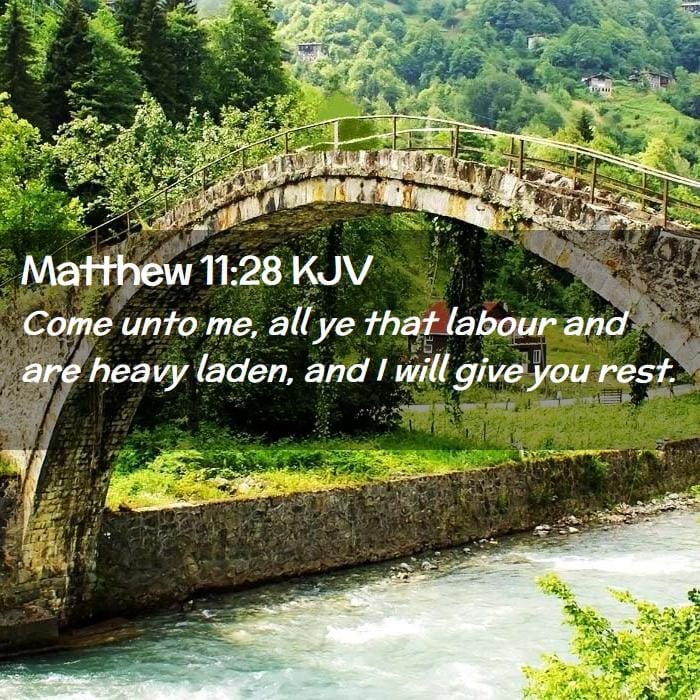
Matthew 11:28 (KJV)
“Come unto me, all ye that labour and are heavy laden, and I will give you rest.”
And another reminder of renewal:
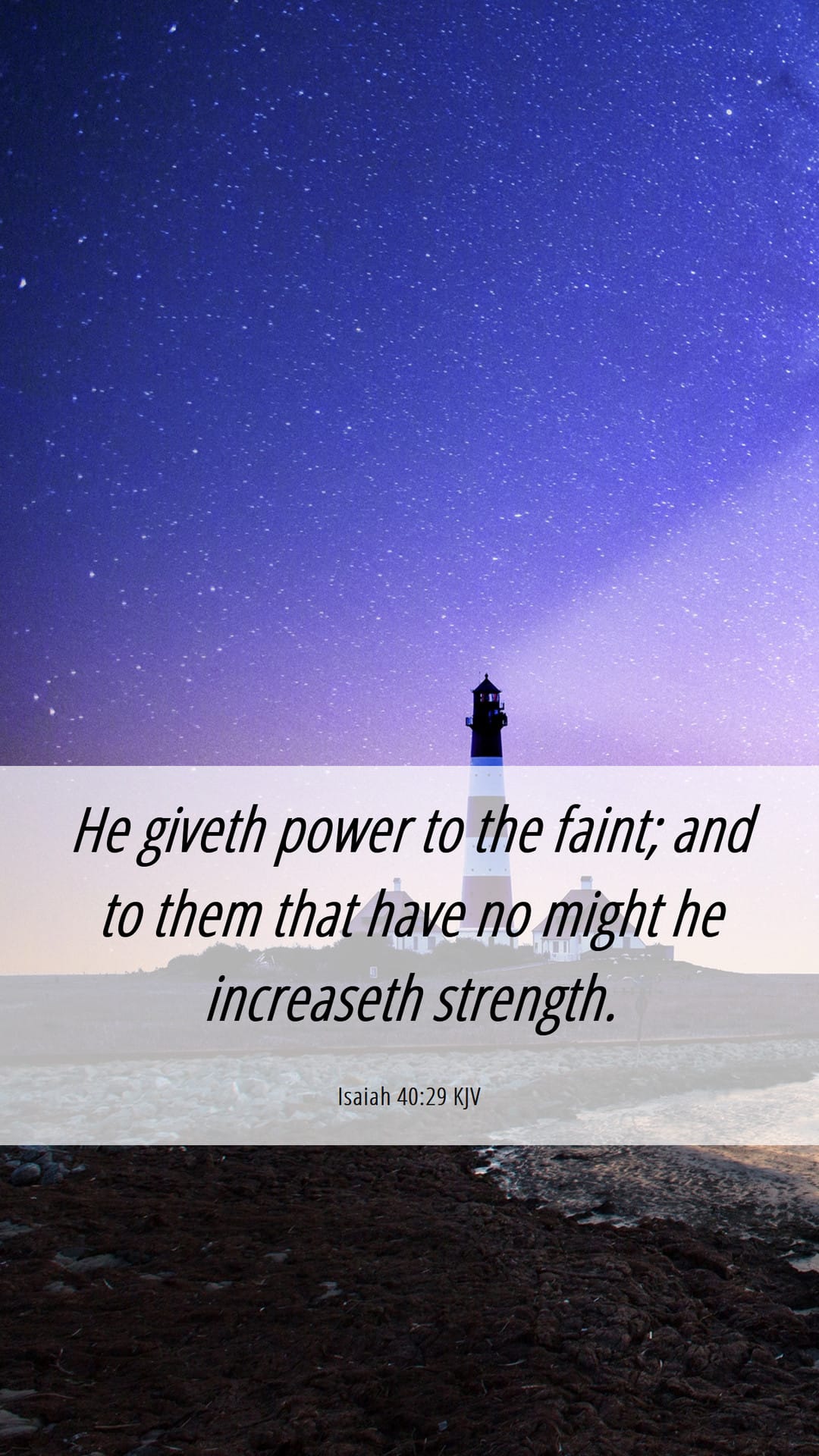
Isaiah 40:29 (KJV)
“He giveth power to the faint; and to them that have no might he increaseth strength.”
Weariness is not the end of the story.
Renewal is always possible.
Final Truth
If you’re wondering whether you’re burned out or depressed, it means you are paying attention to your inner life.
That awareness matters.
Burnout says:
“I’ve been running too long without rest.”
Depression says:
“Something deeper needs care and support.”
Both deserve compassion.
Both deserve attention.
And both remind us that emotional health is not something to ignore.
It is something to nurture.
One honest step at a time.